If you're selling your Utah home without a realtor, zoning disclosure is one of those topics that seems minor until it becomes a major problem after closing. Utah law imposes real obligations on sellers when it comes to what buyers need to know about how a property can be used — and zoning sits squarely in that category. Getting this wrong can expose you to post-closing claims or even rescission demands.
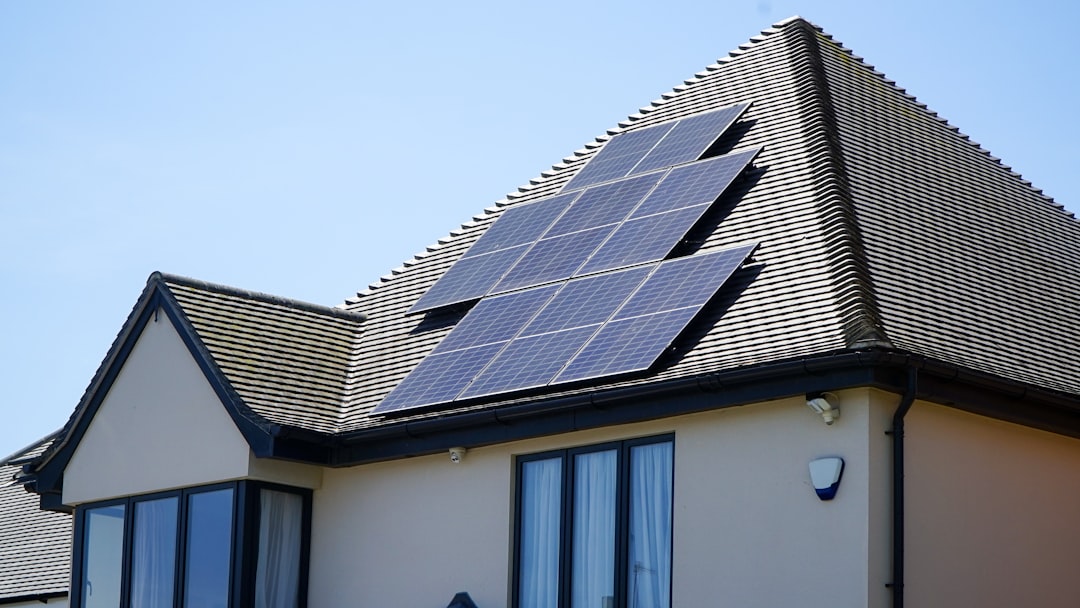 Photo by Watt A Lot on Unsplash
What Is Zoning and Why Does It Matter to FSBO Sellers?
Zoning refers to how a city or county has classified land for use — residential, commercial, agricultural, mixed-use, and so on. In Utah, zoning is administered at the municipal or county level, not by the state. That means zoning rules in Salt Lake City differ significantly from those in Springville, Herriman, or unincorporated Tooele County.
For FSBO sellers, zoning matters because:
- Buyers rely on it when making their purchase decision. A buyer who plans to run a home daycare, build an ADU, operate a short-term rental, or add a commercial structure needs to know what's allowed.
- Zoning violations discovered after closing can become your problem. If you knew about a nonconforming use or a pending zoning change and didn't disclose it, a buyer may have grounds to pursue you.
- Utah's Seller Disclosure form asks about it. The standard Seller's Property Condition Disclosure (SPCD) specifically asks whether you are aware of any zoning violations, nonconforming structures, or pending zoning actions.
What Utah's Seller Disclosure Form Requires
The Utah Seller's Property Condition Disclosure, which is required for most residential FSBO sales under Utah Code § 57-27, includes a section asking sellers to disclose known zoning issues. Specifically, sellers must answer whether they are aware of:
- Any zoning violations, nonconforming uses, or setback violations
- Any pending zoning changes affecting the property
- Any notices from a municipality or county regarding property code or land use
- Any legal nonconforming status of an existing structure
"I didn't know" is only a defense if you genuinely didn't know. If you received a notice from Salt Lake County or Provo City about a code violation and failed to check the box, that's a knowing omission — not an honest oversight.
Common Zoning Issues Utah FSBO Sellers Miss
Here are the zoning-related disclosures that trip up Utah sellers most often:
Unpermitted structures under nonconforming use. An older garage, a detached workshop, or a deck built before modern setback rules might be "grandfathered" — but that status doesn't automatically transfer to a new buyer without proper documentation. In many Utah counties, a grandfathered nonconforming use is extinguished when the property changes hands unless the buyer actively maintains the use.
Short-term rental restrictions. If you've been operating your home as an Airbnb or VRBO, check your city's current STR ordinance. Many Utah municipalities — including Park City, Moab, and St. George — have restricted or banned short-term rentals in residential zones. A buyer planning to continue that use needs to know what's allowed.
Agricultural zoning in transition areas. Weber, Utah, and Davis counties have significant areas where residential subdivisions sit adjacent to agricultural land. Properties with Greenbelt or agricultural exemptions have specific zoning conditions that affect future use and tax status. Agricultural neighbors can also generate noise, dust, and odors — conditions that require their own disclosure under the SPCD neighborhood conditions section. See our guide on Utah FSBO noise and nuisance disclosure for details.
HOA-imposed land use restrictions that piggyback on zoning. Some communities in Utah overlay additional use restrictions on top of municipal zoning. The HOA rules may prohibit uses that zoning technically allows. The zoning disclosure and the HOA disclosure work together — check both.
Accessory dwelling unit (ADU) eligibility. Utah passed laws in recent years loosening ADU regulations, but individual cities still control permitting. If you tell a buyer they can add an ADU because your neighbors did, but your specific lot doesn't qualify, you've created a disclosure problem.
How to Research Zoning Before Listing
You don't need a lawyer to look up your property's zoning. Here's how to do it:
- Check your county assessor's website. Salt Lake County, Utah County, Davis County, and most others have parcel viewers that show zoning classification.
- Call your city or county planning department. Ask specifically: Is this property in compliance with current zoning? Are there any pending actions or violations on file?
- Review any notices you've received. Code enforcement notices, letters from the city, or notices from a homeowners association should be disclosed.
- Pull the permit history. Utah Code allows buyers to request permit records. As a seller, you can pull these yourself and review what has and hasn't been permitted.
If anything comes back uncertain, document what you found and what you disclosed. That paper trail matters.
What Happens If You Don't Disclose a Zoning Issue?
Under Utah Code § 57-27, knowingly failing to disclose a known deficiency — including a known zoning violation — can give a buyer grounds to pursue remedies after closing. Depending on the severity and timing, that could include:
- Damages to cover the cost of bringing the property into compliance
- Rescission of the sale in egregious cases
- Dispute resolution through arbitration, which the Utah REPC requires before litigation for most contract-based claims
In practice, most zoning disputes end up in mediation or arbitration rather than court. But that process is expensive and stressful — especially if you're a FSBO seller without a real estate attorney in your corner.
Zoning Disclosure vs. General Property Condition
One thing FSBO sellers frequently confuse: zoning disclosure is separate from physical property condition disclosure. You can have a perfectly maintained home with no structural issues that still has a zoning disclosure problem — like an unpermitted addition, a fence that violates setback rules, or a residential property being run as a business in a zone that doesn't allow it.
Read the SPCD carefully. Fill out every section. If you're unsure whether something rises to the level of a required disclosure, err on the side of disclosing. A disclosed issue can be negotiated. An undisclosed one can become a lawsuit. The same principle applies to other system-level disclosures — if your property uses a private septic system, see our guide on Utah FSBO septic system disclosure requirements.
For a comprehensive look at everything you're required to disclose as a Utah FSBO seller, see our Utah FSBO Disclosure Checklist — it covers the full scope of the SPCD beyond zoning.
The Bottom Line
Zoning disclosure isn't complicated, but it requires you to actually look into your property's status rather than assuming everything is fine. Most Utah homes are in compliance with current zoning — but the ones that aren't are the ones where FSBO sellers get caught off guard after closing.
Before you list, spend an hour researching your parcel's zoning classification, pull any permit history, and check whether any municipal notices are on file. Fill out the SPCD completely and honestly. If you find something that needs explaining, include a note in the addendum section of the disclosure — specificity protects you.
Ready to get started? Tyler offers a free 15-minute consultation — schedule yours at utahfsbohelp.com/contact.
Questions about your situation?
Book a free 15-minute call with a licensed Utah real estate attorney.
Book a Free ConsultationOr call/text: 801-725-3482